
Feb 10th 2026
Build a Ramadan Worship Routine
Ramadan comes once a year. You feel the excitement. You want to make the most of it. But where do you start? Random acts of worship feel scattered. You need structure. You need a plan. This guide helps you build a sustainable worship routine that transforms your Ramadan.
Why a Ramadan Worship Routine Matters
A routine gives your worship direction. Without structure, days slip by. You pray here and there. You read Qur'an when you remember. By mid-Ramadan, you've lost momentum.
Think of athletes. They don't train randomly. They follow schedules. They build habits. Spiritual growth works the same way. Consistency beats intensity.
A worship routine removes decision fatigue. You don't wake up wondering what to do. You already know. Your schedule is set. This frees mental energy for actual worship.
Routines create accountability. When you miss something scheduled, you notice immediately. You can adjust and get back on track. Without a routine, you might not even realize you've neglected something.
The Prophet (peace be upon him) loved consistency. He said, "The most beloved deeds to Allah are those done consistently, even if they are small." This principle guides Ramadan worship.
Ramadan's structure already provides a framework. Five daily prayers anchor your day. Suhoor and iftar create natural bookends. Tarawih marks your evenings. Build your routine around these fixed points.
A routine also prevents burnout. Some Muslims start Ramadan strong. They pray all night the first few days. By week two, they're exhausted. They quit. A sustainable routine paces you for the entire month.
Your routine should feel challenging but achievable. Too easy and you don't grow. Too hard and you'll abandon it. Find your sweet spot.
Remember that routines serve worship, not vice versa. The goal isn't checking boxes. It's connecting with Allah. Your routine is the vehicle, not the destination.
Setting Your Intention and Goals
Before planning specifics, clarify your intentions. Why do you want a worship routine? What do you hope to achieve this Ramadan?
Your primary intention should be seeking Allah's pleasure. Not impressing others. Not feeling superior. Not even just earning Paradise. Worship Allah because He deserves worship.
Set specific, measurable goals. "Be better" is vague. "Read one juz daily" is specific. "Pray more" is unclear. "Pray two rak'ahs after each obligatory prayer" is measurable.
Write down three to five main goals. Maybe you want to complete the Qur'an. Perhaps improve your prayer concentration. Maybe strengthen family bonds. Possibly increase charity.
Keep goals realistic. Consider your actual life circumstances. If you work full-time, you can't pray all night. If you have small children, your schedule differs from single people.
Balance different types of worship. Don't focus only on Qur'an and neglect prayer quality. Don't pray constantly but ignore family. Well-rounded worship reflects Islam's completeness.
Review goals weekly. Are you on track? Do you need adjustments? Flexibility within structure keeps you sustainable.
Make duʿā' for your goals. Ask Allah to help you achieve them. Ask Him to accept your efforts. Acknowledge you can't succeed without His help.
Involve family in goal-setting if applicable. Shared goals create household momentum. Children see worship as normal. Spouses support each other.
Core Obligatory Acts in Your Routine
Your routine's foundation is obligatory worship. These are non-negotiable. Build everything else around them.
The Five Daily Prayers
Prayers anchor your entire routine. Pray them on time. Pray them with focus. These are your appointments with Allah.
Wake for Fajr. This sets your whole day's tone. The pre-dawn hours carry special blessing. Missing Fajr throws off everything.
Pray in congregation when possible. Men should pray at the mosque for Ramadan's blessed atmosphere. Women can join or pray at home—both are rewarded.
Give each prayer its full time. Don't rush. Feel each movement. Ponder each word. Quality matters more than speed.
Fasting
Fasting is Ramadan's core obligation. Fast with consciousness and intention. Don't just avoid food and drink. Control your tongue, eyes, and thoughts.
Make proper intention before dawn each day. Wake for suhoor—it's blessed and helps you fast well.
Break your fast on time at Maghrib. Don't delay. Follow the Sunnah of breaking with dates and water.
Zakat and Sadaqah
If you owe zakat, Ramadan is excellent for paying it. The rewards multiply. The need is visible.
Give regular charity throughout the month. Set aside a specific amount weekly or daily. Consistency in giving mirrors consistency in worship.
These obligatory acts form your routine's skeleton. Everything else builds on them. Never compromise these fundamentals for optional worship.
Daily Qur'an Routine
The Qur'an is Ramadan's soul. Build a specific Qur'an routine into your schedule.
Set a Daily Target
Decide how much you'll read daily. To complete one khatm, read about 20 pages or four pages five times daily. If that's too much, aim lower. One juz, half a juz, or even one page. Something beats nothing.
Schedule Specific Times
Pick exact times. After Fajr—your mind is fresh. Before Dhuhr—mid-morning momentum. Before iftar—prioritizing Allah's words over food. After Maghrib—post-iftar energy. After Tarawih—continuing the connection.
Divide your target across these slots. Four pages each time totals twenty pages without overwhelming any single session.
Read with Understanding
Don't just race through Arabic. If you understand it, reflect as you read. If not, read translation alongside Arabic. Use tafsir for deeper understanding.
Listen to recitation during commutes or household tasks. This adds exposure beyond scheduled reading. Choose a reciter whose voice touches your heart.
Track your progress. Mark completed pages. Use tracking apps. Visual progress motivates continued effort. If you fall behind, don't quit. Just continue from where you are.
Sunnah and Voluntary Prayers
Beyond obligatory prayers, add voluntary prayers to deepen your routine.
Sunnah Rawatib
These are prayers before and after obligatory prayers. The Prophet never abandoned them.
Two rak'ahs before Fajr—highly emphasized. Four before Dhuhr, two after. Two after Maghrib. Two after Isha.
These add structure and increase your daily prayer volume gradually.
Duha Prayer
Pray Duha (mid-morning prayer) when possible. After sunrise, before Dhuhr time begins. Two to eight rak'ahs.
This is excellent for those working from home. Take a spiritual break instead of a coffee break.
Tahajjud
Wake in the last third of the night for tahajjud. This is Ramadan's crown jewel. Allah descends to the lowest heaven asking who seeks His forgiveness.
Start small. Even two rak'ahs. Gradually increase as you build stamina.
Set an alarm for 90 minutes before Fajr. Pray, make duʿā', read Qur'an. These are precious moments.
Don't pray tahajjud the first night then quit. Consistency matters. Three rak'ahs every night beats eleven rak'ahs once.
Witr
Pray Witr as your day's final prayer. Minimum one rak'ah, ideally three or more.
If praying tahajjud, Witr comes after it. If not, pray Witr after Isha or Tarawih.
These voluntary prayers compound your blessings. They strengthen your connection with Allah. They fill time between obligations with productive worship.
Tarāwīḥ Prayer
Tarawih is Ramadan's signature prayer. It deserves special attention in your routine.
Attend at the Mosque
Men should pray Tarawih at the mosque. The congregation creates powerful spiritual energy. You complete the Qur'an together over the month.
Women can attend or pray at home. Both are rewarded. Attending offers community. Home offers family bonding.
Prepare Properly
Pray Maghrib and Isha first. Many mosques combine them to start Tarawih earlier.
Arrive with wudu. Bring water. Wear comfortable clothes for long standing.
Engage Your Heart
Don't just stand physically. Engage spiritually. Listen to the recitation. Try understanding the Arabic.
When you don't understand, make duʿā' in your heart. Ask Allah to accept your standing. Ask Him to grant you Paradise.
Cry if tears come. Don't force them, but don't hold them back. Ramadan softens hearts.
Complete the Prayer
Stay for the full Tarawih. Don't leave after eight rak'ahs if the congregation prays twenty. Consistency matters.
The Prophet said, "Whoever prays with the imam until he finishes, it's recorded as if he prayed the whole night."
Pray at Home
If you can't attend the mosque, pray Tarawih at home. Lead your family if applicable. Follow along with a Qur'an if needed.
Online Tarawih streams can guide you. But actual mosque attendance is superior when possible.
Duʿā' and Dhikr Routine
Duʿā' (supplication) and dhikr (remembrance) fill the gaps between structured worship.
Morning and Evening Adhkar
Establish morning adhkar after Fajr. These prophetic supplications protect and bless your day.
Recite evening adhkar after Asr or before Maghrib. They guard your night.
Download an adhkar app. It guides you through the supplications. Gradually memorize them.
Duʿā' at Key Times
Make specific duʿā' during blessed moments:
While fasting before iftar—this duʿā' is not rejected.
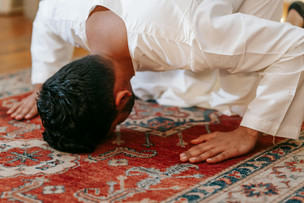
During prostration in prayer—you're closest to Allah.
In the last third of the night—Allah asks who supplicates to Him.
Between adhan and iqamah—a time when duʿā' is answered.
On Fridays—there's an hour when duʿā's are accepted.
Keep a Duʿā' List
Write down what you want to ask Allah. Personal needs. Family matters. Ummah concerns. World issues.
Refer to this list during prime duʿā' times. Don't let the moment pass in silence.
Make duʿā' in your own words. Allah understands all languages. Speak from your heart.
Regular Dhikr
Throughout the day, remember Allah. "SubhanAllah" while cooking. "Alhamdulillah" while driving. "Allahu Akbar" while working.
After each obligatory prayer, say Subhanallah (33 times), Alhamdulillah (33 times), Allahu Akbar (34 times).
Keep your tongue moist with Allah's remembrance. It transforms mundane moments into worship.
Special Laylat al-Qadr Duʿā'
Memorize the duʿā' for Laylat al-Qadr: "Allahumma innaka 'afuwwun tuhibbul 'afwa fa'fu 'anni" (O Allah, You are Pardoning and love to pardon, so pardon me).
Repeat this abundantly during the last ten nights.
Suḥūr and Ifṭār with Worship
Meals in Ramadan aren't just about food. Make them worship opportunities.
Suhoor Routine
Wake early for a proper meal. Eat dates, drink water, consume protein. Make your fasting intention. Pray two rak'ahs before Fajr time. When adhan sounds, stop eating and prepare for prayer. Pray Fajr immediately. Read Qur'an after if this is your scheduled time.
Iftar Routine
Break fast exactly at Maghrib with dates and water. Say the iftar duʿā': "Dhahaba al-zama' wa abtalat al-'urooq wa thabata al-ajr in sha Allah." Pray Maghrib promptly—don't delay for a full meal first. After Maghrib, eat your main meal with family.
Make Meals Worship
Involve family in preparation. Children can help—make it quality time. Recite Qur'an together at the table. Discuss Islamic topics. Feed others when possible—invite neighbors, give to the needy. Keep meals simple. Don't turn Ramadan into a food festival.
Building Consistency Over the Month
Starting strong is easy. Finishing strong is the challenge. Here's how to maintain consistency.
Start Reasonable
Don't attempt everything on day one. You'll burn out. Start with core obligations plus one or two extras. Gradually increase weekly.
Track Your Progress
Use a Ramadan planner or app. Check off completed acts daily. Review weekly and adjust where needed.
Handle Missed Acts
You'll miss things sometimes. Don't despair. If you miss Fajr, pray when you wake. If you skip Qur'an, add it later or continue tomorrow. Shaytan loves when you quit completely after one mistake. Don't give him that victory.
Maintain Energy
Sleep adequately. You can't worship if exhausted. Nap if needed. Eat nutritiously. Your body is Allah's trust.
Find Accountability
Partner with someone for daily check-ins. Join online Ramadan groups. Tell family your goals. They'll support and remind you.
Celebrate Small Wins
Completed one week of Fajr at the mosque? Celebrate that. Finished half the Qur'an? Acknowledge it. Positive reinforcement strengthens habits.
Focus for the Last Ten Nights
The last ten nights are Ramadan's climax. Laylat al-Qadr hides within them. Adjust your routine accordingly.
Increase Everything
The Prophet would tighten his waist belt during the last ten nights. He'd exert himself maximally.
If you've been reading four pages, read eight. If praying two rak'ahs tahajjud, pray six. If making duʿā' five minutes, make it fifteen.
Seek Laylat al-Qadr
Focus especially on odd nights: 21st, 23rd, 25th, 27th, 29th. These are most likely for Laylat al-Qadr.
Stay up those entire nights if possible. Pray. Read Qur'an. Make duʿā'. Remember Allah continuously.
If you can't stay up all night, dedicate the last third. That's when Allah descends.
I'tikaf if Possible
I'tikaf (seclusion in the mosque) during the last ten days is Prophetic Sunnah.
If you can't do ten days, do odd nights. If you can't do that, do just the 27th night.
Women can do i'tikaf at home in their designated prayer space.
Maximize Duʿā'
Carry your duʿā' list everywhere. Supplicate constantly. These nights' duʿā's are answered.
Cry to Allah. Ask forgiveness. Beg for Paradise. Seek protection from Hell.
Ask for big things. Laylat al-Qadr is worth more than eighty-three years. Your duʿā's have immense weight.
Maintain Obligations
Don't abandon daily responsibilities for extra worship. Balance is key.
Still go to work if you must. But maximize worship around work.
Still care for family. But involve them in increased worship.
Prepare Mentally
These ten nights determine much. Allah judges your Ramadan effort.
Push through fatigue. This is the final sprint. You can rest after Eid.
Family-Based Worship Routine
Ramadan is communal. Build family worship into your routine.
Collective Activities
Pray together at home when possible. Father leads, children follow. Make it fun for kids—praise their efforts, ignore small mistakes.
Set family Qur'an time. Each person reads aloud. Discuss what you read. Set family goals like "Complete one khatm together" or "Feed ten families."
Teaching Moments
Use Ramadan to teach children about Islam. Explain fasting. Discuss prayer importance. Share the Prophet's stories. Their hearts are soft—plant good seeds.
Tarawih and Iftar Together
Pray Tarawih as a family, at mosque or home. The togetherness creates beautiful memories. Break fast together daily—no phones, no TV, just family and Allah's blessings.
Sadaqah Together
Involve children in charity. Let them help prepare food for neighbors. Take them to distribute meals. They learn that Ramadan is about helping others.
Be Realistic
Young children can't fast all day or pray all night. Meet them where they are. Gradual training works best: half-day fasting, few rak'ahs prayer, small Qur'an portions. Praise effort over results.
Conclusion
Building a Ramadan worship routine transforms scattered efforts into cohesive spiritual growth. Structure supports you. Consistency strengthens you. The routine carries you when motivation fades.
Start with clear intentions and realistic goals. Anchor around obligatory worship. Add Qur'an, voluntary prayers, and dhikr strategically. Make meals worship opportunities. Build consistency through the month. Intensify during the last ten nights. Involve your family throughout.
Remember that routines serve you, not vice versa. If something isn't working, adjust it. Flexibility within structure is wisdom.
Your routine should leave you closer to Allah. It should build lasting habits. It should transform you spiritually while remaining sustainable physically.
May Allah accept your worship routine. May He make it easy to implement. May He grant you discipline to maintain it. May He bless you with Laylat al-Qadr. And may this Ramadan be your best one yet.
Start planning today. Write your schedule. Set your goals. Prepare your heart. Ramadan is coming. Be ready.
Ramadan Mubarak.