

Description
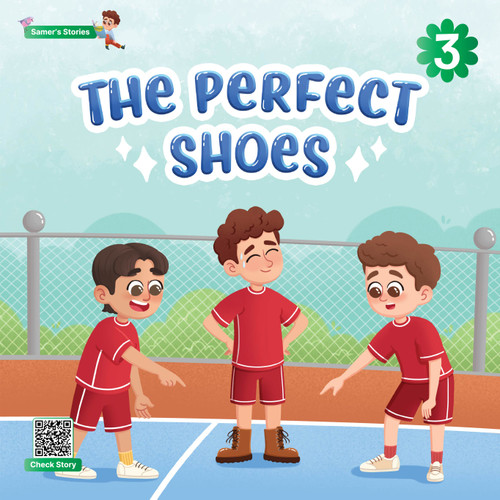
We live in an age that is extraordinarily good at making people feel that what they have is never quite enough - that the next purchase, the right brand, the item that everyone else seems to have, will finally produce the feeling of satisfaction and belonging that has been just out of reach. This pressure is felt by adults. It is felt even more acutely by children and early teenagers, for whom belonging and social comparison are developmentally intense.The Perfect Shoes, from Manarah Publishing's Akhlaq Series, meets Muslim children aged 9-12 exactly where this pressure lives - and offers them the Islamic alternative not as a cold prohibition but as something genuinely more satisfying.The story follows a child who wants a particular pair of shoes. Not just any shoes - the perfect shoes. The ones the popular kids have. The ones that would make them feel, somehow, like they fully belong, like they have arrived, like people would finally see them the way they want to be seen. The wanting grows until it begins to distort the child's perspective on everything else in their life.What the story explores:The Islamic teaching on qana'ah (contentment): one of the most underemphasized treasures in Islamic character education, qana'ah is the quality of being genuinely at peace with what Allah has provided - not resignation, but a deep and liberating satisfaction rooted in trust in Allah's wisdom and provision. The story shows what qana'ah feels like from the inside, and why it is so much richer than the satisfaction of getting what you wanted.The trap of comparison: the Prophet (peace be upon him) warned against looking at those above you in worldly matters - and advised looking instead at those below you, so that you do not belittle Allah's blessings on you. This hadith is lived out in the story in a way children can feel rather than simply hear.The question of what we are actually wearing: Islam teaches that the real dress of the believer is taqwa (consciousness and love of Allah) - the "garment of righteousness" mentioned in the Quran. The story uses the conceit of the shoes to open up this deeper question: what are you actually trying to put on when you reach for external validation? And what does Islam offer in its place?Gratitude as a practice: the story guides the child toward a genuine practice of gratitude for what they already have - not as a performance but as a shift in the lens through which they see their life. Children discover that gratitude is not just a feeling but a choice, and that when made consistently, it genuinely changes what they notice and how they feel.The Perfect Shoes is warmly written and entirely without preachiness - it trusts the story to carry the teaching, and it does. Part of the Manarah Akhlaq Series. Ideal for ages 9-12.