
Mar 3rd 2026
Duas to Recite Before Iftar & Suhur
It's 6:47 PM. Maghrib is at 7:02. You're staring at your plate. Dates arranged perfectly. Water glass full. Samosas getting cold. Your stomach is doing backflips from hunger.
Thirteen minutes until you can eat.
What do you do with those thirteen minutes?
If you're like most people, you're on your phone. Scrolling. Watching the clock. Maybe chatting with family about their day. Waiting for the adhan.
And you're wasting the single most powerful dua moment of your entire day.
Or it's 3:30 AM. Suhoor ends at 4:15. You stumbled to the kitchen half-asleep. Made some eggs. Drank water. Now you're just sitting there, trying to wake up enough to function.
Forty-five minutes until Fajr. What are you doing with this time?
Probably scrolling TikTok. Or going back to bed even though you know you shouldn't sleep right after eating.
Another wasted opportunity.
Let me tell you what these moments actually are: They're your daily appointments with guaranteed dua acceptance. And most of us are showing up to the appointment but forgetting why we came.
Why Duʿāʾ Before Ifṭār & Suḥūr Matters
Here's what most Muslims don't realize: The time before iftar isn't just about breaking your fast. It's about having direct access to Allah at a moment when He has specifically promised to listen.
Think of it like a VIP pass. Everyone can pray to Allah anytime. But certain times are like backstage passes—you get priority access.
Before iftar? That's backstage.
The Prophet (peace be upon him) said: "Three people whose dua is never rejected: the just ruler, the fasting person until he breaks his fast, and the oppressed person."
You're in that second category. Right now. Every day of Ramadan. For those precious minutes before maghrib, you have a golden ticket.
And most of us use it to scroll Instagram.
My friend Aisha told me something that hit me hard. She said, "I spent fifteen Ramadans watching the clock before iftar. Counting the minutes. Thinking about food. Then my mom got cancer. Suddenly I realized—what if I only have a few Ramadans left with her? What if she only has a few left, period? I started spending those last minutes making dua for her healing instead of staring at my plate. That shift changed everything."
Her mom went into remission six months later. Coincidence? Maybe. But Aisha doesn't think so.
Suhoor is different but equally powerful. It's not about a specific dua acceptance window. It's about starting your day connected to Allah before the chaos begins.
You're about to go fourteen hours without food or water. You're about to face work, family, stress, temptation. Don't you want Allah's help with all that? Suhoor time is when you lock in that help.
Virtue of Duʿāʾ at Ifṭār Time
Let me paint you a clearer picture of how special this time is.
You've been fasting since dawn. Denied yourself food, water, desires. All day. For what? For Allah.
That effort—that sacrifice—it matters. It carries weight. And at the moment before you break that fast, you're still in that state of worship. Still sacrificing. Still denying yourself even though food is right there.
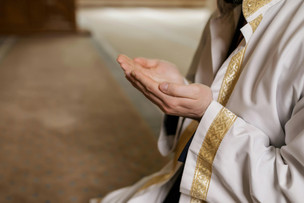
That moment when you could eat but you're choosing instead to raise your hands and talk to Allah? That's pure devotion.
The scholars say this is why the dua is answered. You've proven your sincerity through hours of fasting. You've proven your submission by waiting even when food is in front of you. Allah honors that.
Abdullah ibn Amr reported that the Prophet said, "Indeed the fasting person has at the time of breaking fast a dua which is not rejected."
Not "might be accepted." Not rejected. Guaranteed.
Let that sink in. Guaranteed.
How many guarantees do you get in life? Your job isn't guaranteed. Your health isn't guaranteed. Your relationships aren't guaranteed.
But this? This is guaranteed. Daily. Every Ramadan. For free.
And we're trading it for TikTok videos.
Muhammad, a brother I know who's now 45, told me: "I fasted for twenty years before someone explained this to me. Twenty years. I thought the point of iftar was just to eat. I'd rush through the dua—'Dhahaba adh-dhama, blah blah blah'—then stuff dates in my mouth. I never made real dua. Never asked for anything. Just broke my fast and moved on."
He paused. "Think about all those missed opportunities. Thousands of guaranteed dua moments. Gone. Because nobody told me."
Don't be Muhammad. Don't waste another iftar.
Sunnah Duʿāʾ Before Ifṭār
The Prophet had a specific dua he would make when breaking his fast:
"Dhahaba adh-dhamaʾ wa abtalat al-ʿurūq wa thabata al-ajr in shāʾ Allāh"
(The thirst has gone, the veins are moistened, and the reward is confirmed if Allah wills)
This is beautiful when you understand it. You're acknowledging what your body just went through. The thirst. The depletion. Then you're affirming that despite the physical hardship, the spiritual reward is secured.
But here's what most people miss: This dua doesn't have to be the only thing you say.
The Prophet made this dua. But he also made personal dua before eating. The guaranteed acceptance window isn't just for one phrase. It's for everything you want to ask.
Some people think, "I'll say the sunnah dua, then eat." No. Say the sunnah dua. Then keep your hands raised. And ask for everything you need.
"Ya Allah, accept my fast today even though I struggled." "Ya Allah, my daughter is distant from Islam. Guide her back." "Ya Allah, I'm drowning in debt. Make a way out for me." "Ya Allah, my mother's health is failing. Heal her or ease her pain."
Everything. All of it. Before you take that first bite.
Short Duʿāʾs to Recite at Ifṭār
Maybe you're thinking, "I don't know what to say. I'm not good with words. I'll mess it up."
You won't. But if you want structure, here are simple, powerful duas you can make before iftar:
For Acceptance:
"Allahumma inni as'aluka min fadlika" (O Allah, I ask You from Your bounty)
Simple. Short. Covers everything. Your needs, your hopes, your dreams—they're all part of His bounty.
For Forgiveness:
"Allahumma inni zalamtu nafsi dhulman kathiran wa la yaghfirudh-dhunuba illa Anta faghfir li" (O Allah, I have greatly wronged myself and none forgives sins but You, so forgive me)
This one hits different when you're hungry and tired. You feel your weakness. You acknowledge your sins. You beg for forgiveness.
For Your Needs:
"Allahumma inni as'aluka al-jannah wa aʿudhu bika minan-nar" (O Allah, I ask You for Paradise and seek refuge in You from the Fire)
The ultimate request. Heaven and protection from Hell. Nothing matters more.
For Everything:
"Rabbana atina fid-dunya hasanatan wa fil-akhirati hasanatan wa qina ʿadhaban-nar" (Our Lord, give us good in this world and good in the Hereafter and protect us from punishment of the Fire)
This is the most frequently made dua in the Qur'an. It covers this life and the next. Perfect for iftar time.
Fatima, a working mom with three kids, told me her iftar routine:
"I used to stress about making elaborate duas. Trying to think of perfect words. Then I realized I was overthinking it. Now I pick one or two of these short duas. Say them with meaning. Then add my personal stuff in English. 'Please help my son with his studies. Please help me be patient with my husband. Please let my fasts be accepted.' Done. Two minutes max. Then I eat."
That's exactly right. Don't overcomplicate it.
Best Time to Make Duʿāʾ During Suḥūr
Suhoor is trickier because there's no specific "guaranteed acceptance" window like iftar. But there are optimal moments.
When You First Wake Up
Before you stumble to the kitchen half-asleep, take two minutes. Sit on your bed. Make wudu if you can. Then make a quick dua:
"Allahumma inni as'aluka yawman mubārakan" (O Allah, I ask You for a blessed day)
You're setting your intention. Asking Allah to bless the fast you're about to start. The day ahead of you. Everything.
After You Finish Eating
This is the sweet spot. You've eaten. You've drunk water. You're alert now. You have maybe 20-30 minutes before Fajr.
Don't waste this scrolling. Don't go back to sleep yet.
Sit. Make dua. This is your quiet time with Allah before the day's chaos begins.
Ask Him for strength to complete the fast. Protection from sin. Patience with family. Success at work. Whatever you need.
Omar, a taxi driver who fasts while working twelve-hour shifts, does this religiously:
"I finish suhoor at 3:45. Fajr is at 4:30. I spend those forty-five minutes sitting in my living room making dua. I ask Allah to give me energy for the day. To help me control my tongue with difficult passengers. To protect me on the road. To make my earnings halal and blessed. By the time I pray Fajr, I feel ready. Like I've got backup."
That's the power of suhoor dua. You're getting your spiritual armor on before battle.
Right Before Fajr Time
Those last few minutes. You've stopped eating and drinking. You're about to enter the fast. Make one final dua.
Thank Allah for the food He provided. Ask Him to accept the fast you're about to begin. Seek His help in completing it.
Sunnah Duʿāʾs Before Suḥūr Ends
There isn't a specific narrated dua for the end of suhoor like there is for iftar. But scholars recommend duas that align with the moment.
Gratitude for Food:
"Alhamdulillahi alladhi atʿamani hadha wa razaqanihi min ghayri hawlin minni wa la quwwa" (Praise be to Allah who fed me this and provided it for me without any might or power from myself)
You just ate. You're full. That food came from Allah. Acknowledge it.
Beginning the Fast:
"Wa bisawmi ghadin nawayt min shahri Ramadan" (I intend to fast tomorrow for the month of Ramadan)
Simple intention. Some scholars say you don't need to verbalize it. But there's benefit in saying it. Makes it concrete.
Asking for Strength:
"Allahumma inni as'aluka quwwatan ʿala ta'atik" (O Allah, I ask You for strength in Your obedience)
You're about to go all day without food or water while trying to worship properly. You need supernatural strength. Ask for it.
Protection from Sin:
"Allahumma jannibni al-munkarāt" (O Allah, keep me away from evil deeds)
Fasting isn't just about food. It's about controlling yourself completely. Ask Allah to help you guard your eyes, tongue, hands, heart.
Zainab wakes up for suhoor at 3 AM every day. She told me:
"After I eat, I sit and think about the day ahead. What challenges I'll face. Where I usually slip up. Then I make specific duas about those things. Like, 'Ya Allah, when my coworker gossips today, help me walk away.' Or 'Ya Allah, when I feel angry in traffic, help me stay calm.' Targeting my weak spots with dua before the day even starts."
That's strategic worship. I love it.
Duʿāʾs for the Last Ten Days
The last ten days of Ramadan intensify everything. Your duas before iftar and suhoor should intensify too.
The Laylat al-Qadr Dua Before Iftar:
During the last ten nights, add this to your iftar dua routine:
"Allahumma innaka ʿafuwwun tuhibbul ʿafwa fa'fu ʿanni" (O Allah, You are Pardoning and love to pardon, so pardon me)
This is THE dua for Laylat al-Qadr. But you don't know which night it is. So say it before iftar every night of the last ten. Especially the odd nights.
One night, you'll say this dua before iftar on Laylat al-Qadr. Imagine. The most powerful dua on the most powerful night at the most powerful time of day.
Extended Personal Duas:
The last ten nights, don't rush your iftar dua. Extend it. What you normally do in two minutes, do in ten.
Go through your life systematically:
Your relationship with Allah. Your family. Your health. Your struggles. Your sins. Your hopes. Your fears. Your death. Your grave. Your resurrection. Paradise. Hell.
Cover everything. Leave nothing out.
Involving Family:
The last ten nights, gather your family before iftar. Five minutes before maghrib, everyone raises their hands. You lead a dua out loud. They say ameen.
This is powerful. Everyone making dua together. Supporting each other's requests. Teaching kids the importance of this time.
Layla started doing this three years ago with her teenagers:
"They used to just sit on their phones waiting for iftar. Now on odd nights during the last ten, we all sit together. I make dua out loud—for them, for me, for our family, for the ummah. They say ameen. Sometimes they add their own. Last year, my son cried during dua on the 27th night. I never thought I'd see that. But sitting together in that moment—it touched something in him."
That's legacy. That's raising kids who understand dua matters.
Suhoor Duas in the Last Ten:
Wake up earlier during the last ten. Give yourself extra time.
After suhoor, before Fajr, spend 30-45 minutes in dua. This is quiet time. No distractions. Just you and Allah.
Make long, extensive duas. Think about the year ahead. What you want to accomplish. Who you want to become. Beg Allah for His help in all of it.
Conclusion: Stop Wasting Your VIP Passes
Every single iftar of Ramadan is a guaranteed dua acceptance moment. Every single one. Thirty of them if Ramadan is thirty days.
That's thirty guaranteed opportunities to have Allah answer you.
How many are you wasting?
And suhoor—that's thirty opportunities to start your day armored in dua. Protected. Prepared. Connected.
How many of those are you sleeping through or scrolling through?
Here's what I want you to do. Starting tomorrow:
Before Iftar:
Set a timer for fifteen minutes before maghrib. Put your phone away. Face your food. Raise your hands. And talk to Allah.
Say the sunnah dua. Then keep going. Make it personal. Make it real. Make it from your heart.
Don't lower your hands until the adhan calls.
After Suhoor:
Don't go back to sleep right away. Give yourself twenty minutes. Make wudu. Sit. Make dua.
Ask Allah for strength for the day. Protection from sin. Success in worship. Whatever you need.
Then pray Fajr and rest.
This isn't complicated. It doesn't require special knowledge or perfect Arabic. It just requires showing up to the moment and using it.
You have the VIP pass. You have backstage access. You have the guaranteed appointment.
Stop wasting it on things that don't matter.
Because one day—maybe this Ramadan, maybe next, maybe in ten years—you'll have your last iftar. Your last suhoor. Your last Ramadan.
On that day, will you wish you'd scrolled more?
Or will you wish you'd talked to Allah more?
I think you know the answer.
Now start acting like you know it.
May Allah accept every dua you make before iftar and after suhoor. May He grant you everything you ask for and better than what you ask for. May He make these moments transformative in your life. And may you never waste another one.
Tomorrow before iftar, put this into practice. Just try it once. See how different it feels.
Your duas are waiting to be answered. Allah is waiting to listen.
The question is: Will you show up?